
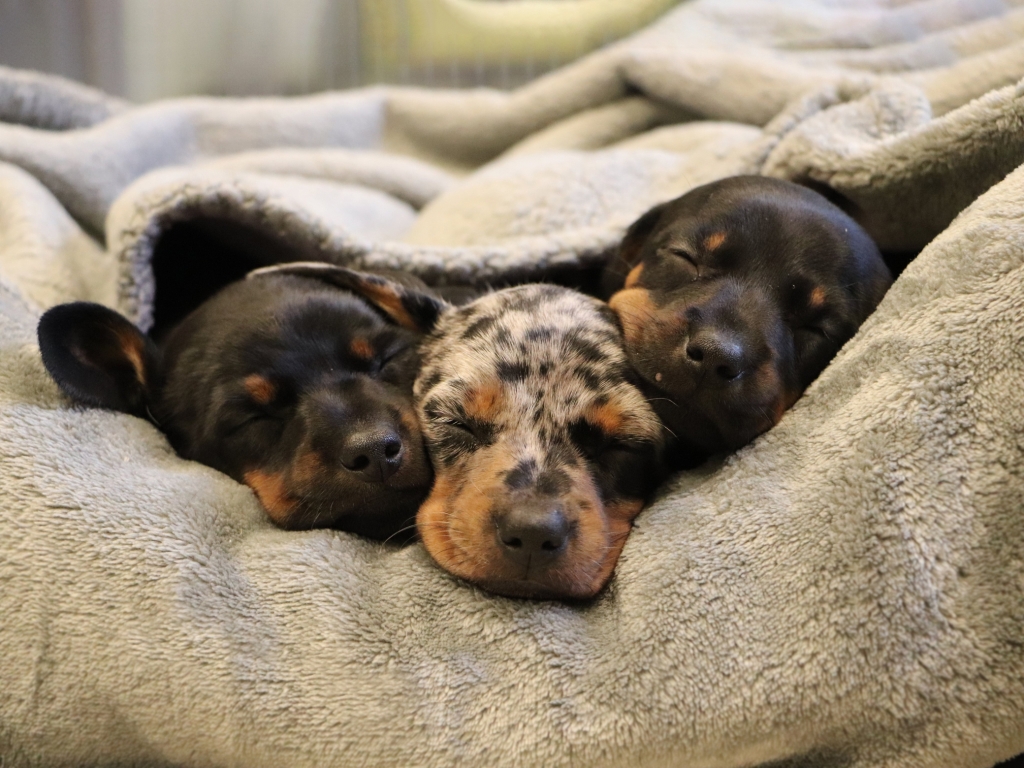
3 puppies sleeping tightly together in a plush bed
Beware Of The Red Flags – WARNING For Anyone Looking To Buy A Pet Online This Christmas
 9 months ago
  1030 views
Leading animal welfare organisations warn unsuspecting prospective pet owners of the dangers of buying pets online after finding more than 400 adverts included red flags that could be associated with unscrupulous breeding and selling, or a sign that the animal was illegally smuggled into the country.
The Pet Advertising Advisory Group (PAAG), which includes animal welfare organisations, trade associations, and veterinary bodies, including the British Veterinary Association, has set up advertising standards that some online pet marketplaces agree to follow voluntarily. Those who sign up ensure adverts for animals for sale on their site put welfare first, and help to put a stop to unscrupulous breeders who put profit above animals' health. The standards have been developed in the absence of sufficient regulation, and PAAG relies on websites voluntarily committing to uphold these standards.
Every year, the group moderates participating websites which advertise pets for sale. This year, volunteers from Dogs Trust, the Kennel Club, Cats Protection, RSPCA, Raystede, Battersea and the Ornamental Aquatic Trade Association looked at adverts between 20 – 24 October 2025 and found 436 adverts which breached these standards. All participating websites make an annual declaration to commit to upholding these standards and learn from the yearly moderation to improve the welfare of animals for sale on their sites.
PAAG is now warning the public to be vigilant and know what to look out for when buying a pet online to ensure they do not unsuspectingly support unscrupulous sellers or become a victim of a scam.
The main Standards breached in 2025 were:
- The requirement for the inclusion of a recognisable photo of young animals with their mother (applying to dogs, cats, rabbits, ferrets and chinchillas) - 38.36% of the total issues flagged.
- The inclusion of a clear and accurate photo of the animal being sold - 11.38% of the total issues flagged.
- Clearly listing the type of sale (e.g. commercial, private or rehoming) - 8% of the total issues flagged.
To help buyers spot an advert which could be from an unscrupulous seller, or even a scam, PAAG has the following advice:
- Consider rehoming from a reputable rescue centre, which gives an animal a second chance at finding their happy place.
- Do not use social media to adopt or buy an animal as there is little to no active moderation, putting you at risk of falling victim to unscrupulous dealers or scammers. PAAG found that 17% of all adverts moderated on social media between 28 July – 3 August were believed to be potential scams.
- If you’re looking for a puppy, ear cropping is illegal in the UK so do not buy from any adverts where breeders have performed this cruel and unnecessary procedure.
- Adverts should always include recent photographs of the animal, and any adverts for young animals (dogs, cats, rabbits, ferrets and chinchillas) should include at least one photograph with their mother.
- If you have any concerns about any adverts which include the above, please report the advert to the website on which it’s advertised.
Claire Wilson-Leary, Public Affairs Manager from Dogs Trust and Chair of PAAG said, “It’s shocking to see that so many adverts for young animals don’t include photos with their mothers, as this could be a sign that they were smuggled into the country illegally, or have been removed from their mother far too soon.
“We urge potential pet owners to consider adopting a rescue pet, rather than buying from online adverts. If potential owners do look online to find a pet, they should take care not to be scammed into buying a pet bred in terrible conditions, which could lead to a lifetime of medical or behavioural issues - or even death from disease.
“We want to thank the participating websites for continuing to engage with us and taking steps to implement our Advertising Standards - we've seen huge progress in the standards on these sites. We no longer see as many serious animal welfare concerns, such as pregnant animals or animals being advertised for swapping.
“Most recently, we are encouraged by the introduction of further standardised fields across some of the engaged websites to ensure sellers include key information about the pet they are selling, including those specifying the sex and age of the animal. This is a positive development, and we hope to see it extended across all pet-selling platforms. However, more must be done to ensure that young animals are consistently shown with their mother, as this remains the least enforced Standard year after year.”
For more information please visit www.paag.org.uk.
About the Pet Advertising Advisory Group (PAAG)
The Pet Advertising Advisory Group (PAAG) was created in 2001 to combat growing concerns regarding the irresponsible advertising of pets for sale, rehoming, and exchange. The Group comprises animal welfare organisations, trade associations and veterinary bodies. Defra, DAERA in Northern Ireland, the Welsh Government and the Scottish Government have endorsed PAAG. PAAG aims to ensure that pet animals advertised for sale are done so legally and ethically.
More from Dogs Trust
- Nearly Four Years Without a Family, Merseyside Dog is Waiting for Someone to Choose Her
- Charities welcome fireworks consultation as concerns continue to increase
- A Paw-sitive Influence: Dogs Trust Hopes Burnham’s Rescue Dog Axel Inspires a Brighter Future for Dogs
- Dog owners misunderstand one of the greatest acts of loving a dog, says Dogs Trust
- 85% of people think shock collar use for training dogs is unacceptable, new Dogs Trust data reveals
