
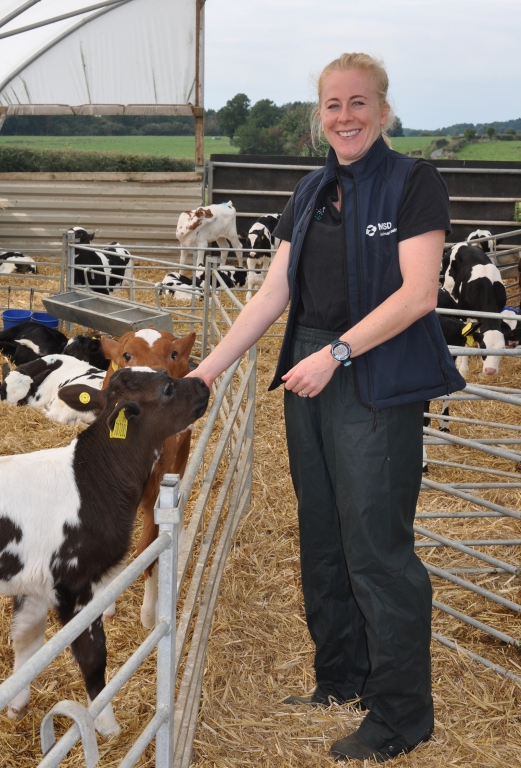
Scour is still a major cause of losses on calf rearing units, says Dr Kat Baxter-Smith
Data Highlights Ongoing Challenge Of Calf Scour On UK Cattle Farms
 12 months ago
  1462 views
More than 120 cattle farmers and livestock sector stakeholders have highlighted the ongoing challenge of calf scour in young calves on beef and dairy units, according to live poll results from a recent industry webinar1.
The Stopping Calf Scours in its Tracks webinar, organised by MSD Animal Health, found that when asked what percentage of calves show signs of diarrhoea before 21 days of age:
- 40% reported 3–5% of calves affected
- 40% reported 6–10% affected
- 20% said more than 20% of their calves are affected
Despite these figures, routine diagnostic sampling is not yet widespread, with only half of respondents saying they test for the pathogens causing scour, while 16.7% admitted they never test to identify the cause.
Positively, the poll highlighted responsible antibiotic use, with 80% saying they only use antibiotics under veterinary guidance and the remaining 20% saying they never use antibiotics to treat scour.
When it comes to hygiene, 80% of respondents said they manage to disinfect and rest pens between groups most of the time, showing strong awareness of the importance of hygiene in reducing disease pressure.
Economics
Scour is estimated to cost the UK cattle industry £11 million annually2 and is responsible for around 50% of all calf deaths3. But the consequences don’t stop there — gut damage caused by scour can lead to poorer growth rates, reduced lifetime productivity, and increased antibiotic use4.
“Scour is still a major cause of losses on calf rearing units and the poll results highlight how widespread it is, and why it is important we manage it,” says Dr Kat Baxter-Smith, Veterinary Advisor at MSD Animal Health, who was one of the speakers during the webinar.
“It can be caused by multiple pathogens, but Cryptosporidium parvum is now the leading cause of infectious scour in UK calves3 — and one of the most challenging, due to its environmental resilience and the speed at which it spreads between calves.
“Due to the range of pathogens that can cause scour, it is vital farmers understand what the pathogen causing scour is for each outbreak and work with their vet to identify the best solution to control it. Sometimes it can be as simple as nutritional scour caused by changes in feed or incorrect milk feeding, but often infectious agents such as cryptosporidia or rotavirus are involved and can spread quickly between calves, requiring prompt action to stop the spread,” explained Dr Baxter-Smith.
Vaccination to boost antibodies in cow colostrum can also provide an effective way to help manage the threat of infectious scour agents, using Bovilis Cryptium® for cryptosporidiosis and Bovilis® Rotavec® Corona for rotavirus, coronavirus, and E. coli F5 (K99) and F41.
Both vaccines are administered to the dam in the third trimester of pregnancy — with two doses for Bovilis Cryptium® in the first year — and provide passive immunity to the calf through the colostrum.
“Vaccination, alongside other management tools such as correct colostrum management and hygiene, can really make a difference in terms of calf health and productivity. It can also have a positive impact on staff morale when they’re not having to deal with sick calves on a daily basis too,” added Dr Baxter-Smith.
Expert advice
MSD Animal Health’s webinar on effective scour management featured talks from Dr Baxter-Smith, Dr Kat Hart from the George Veterinary Group, and vet and farmer Rob Drysdale.
A separate webinar, which drilled down into cryptosporidiosis, featured dairy farmer David Bradley and his vet Tiffany Horn, who discussed their success getting on top of the disease through vaccination and management changes. Dr Katie Denholm from the University of Glasgow also spoke about the benefits and practicalities of extended colostrum feeding.
The webinars can be viewed here:
Stopping calf scours in its tracks: https://www.youtube.com/watch?v=yTAUuDBcDRI
Winning the on-farm fight against cryptosporidiosis https://www.youtube.com/watch?v=ZZ9pcVQO2Z4
References:
- Stopping Calf Scours in it Tracks Webinar- September 2025
- Economic impact of health and welfare issues in beef cattle and sheep in England. ADAS 2013
- National Youngstock Survey 2020 (MSD Animal Health May 2020)
- Cho YI, Yoon KJ. An overview of calf diarrhea - infectious etiology, diagnosis, and intervention. J Vet Sci. 2014;15(1):1-17. doi: 10.4142/jvs.2014.15.1.1. Epub 2013 Dec 27.
More from MSD Animal Health
- FlockCheck Results Highlight Continued Abortion Disease Risk Ahead of Tupping
- EID, Herd Monitoring Tech and Proactive Herd Health Protocols on Show at Demonstration Farm Open Day
- Coronavirus Link Highlights Need to Strengthen Calf Respiratory Disease Protection
- MSD Animal Health launches veterinary-led roadshow across the UK to encourage tailored parasite protection
- Study from MSD Animal Health Reveals Opportunity to Increase Feline Vaccination through Knowledge Sharing Between Veterinarians and Cat Owners

 24 hours ago