
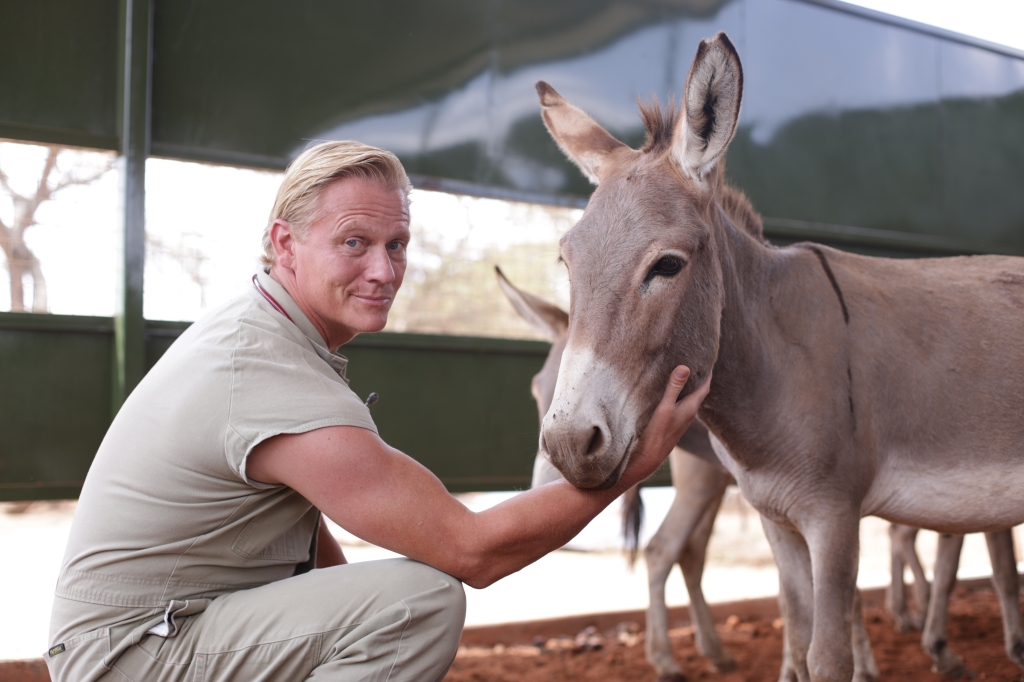
Dr Scott recalls the horors of stepping over the skulls of donkeys in Kenya, who had been beaten to death for their skins.
‘From Skin To Skincare’ – New Documentary Exposes Harrowing Global Trade In Donkey Skins And Existential Threat To A Species
 11 months ago
  1341 views
Over six million donkey skins are used each year for ‘ejiao’ – a product used in food supplements and skincare
Consumers of Chinese traditional medicine drive global demand, fuelling a dangerous illegal market
Trade exacerbates gender inequity as women and children ‘become donkeys’ instead
Animals are often stolen before being walked for weeks to exhaustion, bludgeoned and beaten before their throats slit
Dangerous threat of zoonotic diseases rife as meat deceptively concealed in the food chain in Kenya
Ejiao can be bought legally in UK via Amazon and Etsy
‘The donkey skin trade is an existential threat to an entire species and must be stopped’ – Dr Raphael Kinoti, Director of Brooke in East Africa.
Dr Scott Miller (ITV's This Morning, Rescue Vet) and working animal charity Brooke have partnered on a devastating new exposé on a trade that could wipe out half of Africa’s donkey population by 2040.
The film ‘From Skin to Skincare’ will premiere on October 21 at The Garden Cinema in Covent Garden, London.
The trailer can be watched here.
In July 2025, Dr Scott travelled to Kenya, visiting Nairobi to meet with experts from Brooke, who have been campaigning for a global ban on the donkey skin trade.
The organisation helped secure an Africa-wide ban in February 2024, but the illegal trade continues across the continent.
In the 70-minute film, Dr Scott visits slaughterhouses where he meets with informants and steps over the bones and skulls of donkeys he concludes have been brutally slaughtered.
He meets with communities who have been devastated by the loss of the donkeys, including one woman, Veronica, who did not speak for several months after her donkeys were stolen and slaughtered near her home just outside Nairobi.
She viewed them as her children and was unable to speak again until another rescue donkey was later rehomed with her family.
Ejiao is a gelatine used in traditional medicine, food, drink and beauty products and is made from the collagen found in donkey skins.
It is believed to offer health benefits like improved circulation and anti-aging effects but there is no scientific evidence for its effectiveness. Demand is rising and donkeys are paying the ultimate price.
Issues exposed in the documentary include:
The impact of the legal and illegal trade on the global population of donkeys and their decline across Africa.
The extreme cruelty towards donkeys in the slaughterhouses in Africa, with informants risking their lives to expose it.
How consumers in China lead the global demand for ejiao (gelatine from the skins) and how it is used for food supplements and skincare. Most Chinese populations are unaware of the trade and purchase products containing ejiao without realising.
How the trade fuels gender inequity as children and women replace the work done by the donkeys.
How the threat of zoonotic diseases is rife as donkey meat is concealed and mislabelled across Kenya.
Dr Scott Miller said: “Despite knowing the horrors of the donkey skin trade before visiting the Brooke teams in Africa, I was not prepared for what I witnessed. Stepping over the skulls of donkeys who had been beaten to death is something I will never forget.
“This unsustainable and cruel trade is destroying donkey populations worldwide. These gentle creatures often face a grim fate, being stolen or sold under duress. They endure long, gruelling journeys without food, water or rest, only to be brutally slaughtered at the end.
“If a family does not have a donkey, then the woman or children become ‘the donkey’, they need to transport heavy water and goods, and they cannot go to school. This trade drives gender inequity and is part of a vicious cycle that keeps people trapped in poverty.”
Global Chief Executive of Brooke, Chris Wainwright, said: “The donkey skin trade sees millions of donkeys killed for their skins every year. There is a horrific impact on donkeys and causes communities to lose their livelihoods.
“It is one of the biggest animal welfare and socio-economic threats of our age and we urgently need to secure a global ban. Just as we have challenged the trade in other wildlife products, like Rhino horn, we must come together to highlight the desperate plight of millions of donkeys.”
Director of Brooke in East Africa, Dr Raphael Kinoti, said: “The donkey skin trade is an existential threat to an entire species and must be stopped. I see communities suffer for a senseless trade which results in misery and economic devastation across Africa.”
Contact: [email protected] / 07812 983 834 for images, B-roll and interviews.
More from Brooke
- Unseen experts: Women remain sidelined despite being leaders on pandemic prevention
- Brooke and the Worshipful Company of Farriers launch farriery award
- Learning in the digital era: Empowering vets in developing countries
- Charity urges compassionate treatment of donkeys after Santorini reality TV scenes
- Horses bring Brits’ Christmas coffee and chocolate – but what about their welfare?
