
The 2026 FlockCheck scheme has been launched early
MSD Animal Health Launches 2026 FlockCheck Scheme Early To Help Tackle Reproductive Losses In Sheep
 10 months ago
  1718 views
MSD Animal Health UK Limited (a subsidiary of Merck & Co., Inc., Rahway, N.J., USA (NYSE: MRK)) has launched its 2026 FlockCheck diagnostic scheme, giving sheep farmers across England, Scotland and Wales the opportunity to test their flocks for exposure to toxoplasmosis and enzootic abortion (EAE) from 1 December 2025.
This year, the popular subsidised service is opening earlier than usual to help both early and later lambing flocks identify potential causes of early lamb losses. The scheme, which closes on 30 June 2026, enables farmers to work with their vet to gain valuable insights into key reproductive diseases that can significantly impact flock productivity and profitability.
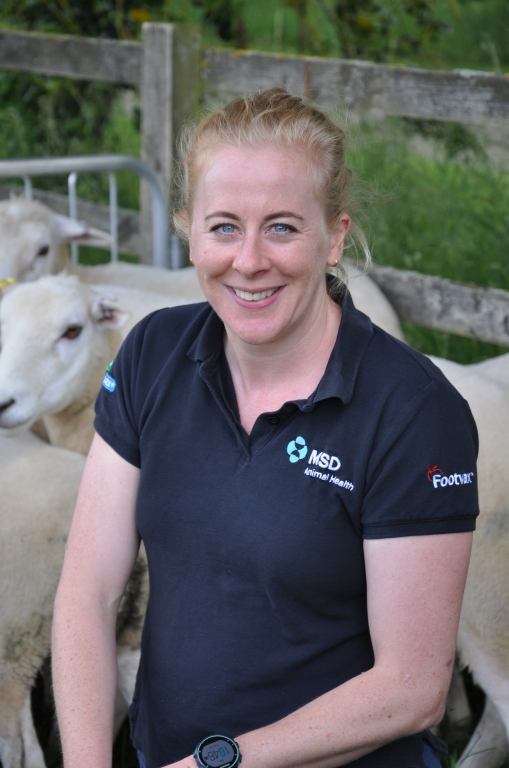
Dr Kat Baxter-Smith, Veterinary Advisor at MSD Animal Health, said launching earlier this year will give farmers more time to investigate potential flock health issues before breeding.
“By starting the scheme in December instead of February, farmers and vets can get ahead of problems, identify disease risks sooner and make informed management and vaccination decisions before the next breeding season.”
Farmers can take part by asking their vet to collect blood samples from six to eight aborted, unvaccinated ewes, or from barren ewes or those producing weakly lambs. The results help vets and farmers make informed flock health decisions and target vaccination and management strategies effectively.
According to Dr Baxter-Smith, the scheme continues to highlight the widespread nature of these costly and preventable diseases.
“Data from our 2025 FlockCheck results¹, which closed in June 2025, showed that 79% of 400 tested flocks had been exposed to Toxoplasma gondii and 35% tested positive for exposure to Chlamydia abortus, the cause of enzootic abortion.
“These findings are consistent with APHA disease surveillance data showing that between 2016 and 2025², toxoplasmosis and EAE ranked as the top two most frequent sheep submission diagnoses. They also support our 2024 Flock Health Survey³ of 966 sheep units, which found that more than 30% of GB flocks either didn’t know their barren ewe rate or reported a rate greater than 5% after lambing. This is particularly concerning.”
Dr Baxter-Smith explained that both infections can have a serious impact on lambing performance. “Toxoplasmosis, caused by infection with the Toxoplasma gondii parasite, doesn’t just cause abortion – it’s also a major cause of early embryo loss, barren ewes and weak or sickly lambs. Almost all flocks in Great Britain are likely to have been exposed, so every breeding ewe should be considered at risk.”
She added that biosecurity alone is not enough to prevent infection: “Sheep become infected by ingesting parasite eggs shed by cats onto pasture, feed or water. These eggs are extremely resilient and can survive in the environment for over a year. That’s why vaccination is the most effective way to protect the flock,” she explained.
Dr Baxter-Smith added: “Fortunately, the disease can be controlled effectively by a simple vaccination programme. Ideally, every ewe should be vaccinated before breeding because of the widespread disease threat and the significant financial implications.
“Both toxoplasmosis and enzootic abortion are also classified as NOAH Category 1 diseases, meaning vaccination should be considered standard practice on all sheep farms.”
How to get a diagnosis
Sheep farmers interested in taking advantage of the subsidised FlockCheck scheme are encouraged to contact their vet to discuss arranging a test.
References
- MSD 2025 FlockCheck results from 400 farms. Data on file.
- Great Britain small ruminant quarterly report, disease surveillance and emerging threats Volume 28: Quarter 1 – January to March 2025
- MSD Flock Health Checklist online survey 2024. Data on file.
More from MSD Animal Health
- FlockCheck Results Highlight Continued Abortion Disease Risk Ahead of Tupping
- EID, Herd Monitoring Tech and Proactive Herd Health Protocols on Show at Demonstration Farm Open Day
- Coronavirus Link Highlights Need to Strengthen Calf Respiratory Disease Protection
- MSD Animal Health launches veterinary-led roadshow across the UK to encourage tailored parasite protection
- Study from MSD Animal Health Reveals Opportunity to Increase Feline Vaccination through Knowledge Sharing Between Veterinarians and Cat Owners

 2 weeks ago