
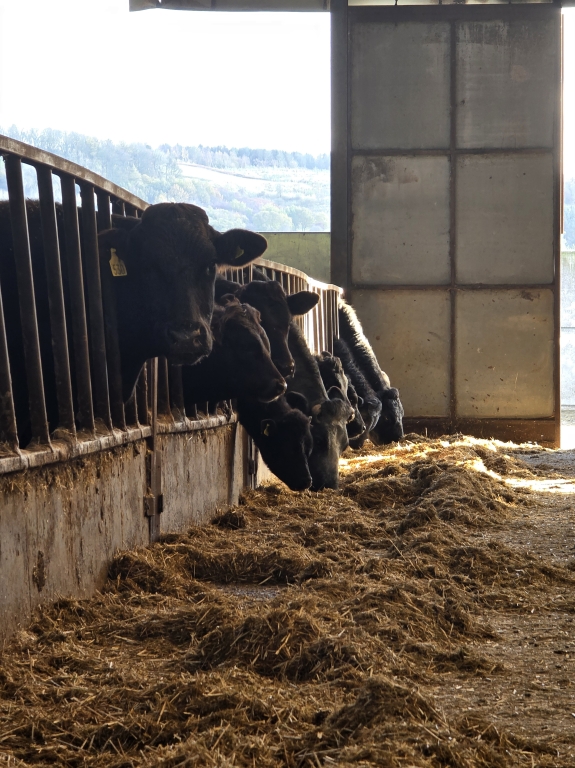
Beef and dairy farmers are being advised to test their forage
Cattle Farmers Urged To Test Forage As Data Highlights Trace Element Decline
 10 months ago
  662 views
Beef and dairy farmers are being advised to test their forage after the latest silage analysis data reveals declining levels of trace elements in forage.
Data from 1,500 silage samples¹ highlights that while dry matter levels tend to be higher in 2025, there has been a continued decline in magnesium, copper and zinc over the past three years.
The samples show copper levels have dropped from 8mg/kg DM in 2023 to 6mg/kg in 2025, while zinc has fallen from 32mg/kg to 27mg/kg over the same period. The summer drought also contributed to reduced cobalt and iron concentrations.
“This is a particular concern in pregnant animals in all-year-round calving dairy herds and for spring-calving beef and dairy cows, which are typically fed predominantly forage based diets,” warns Nettex Commercial and Technical Manager Nia Williams.
“Mineral deficiencies in cows during pregnancy significantly affect both the health of the dam and the development of the foetus, leading to complications around calving and poor calf health.
“Key deficiencies can cause severe metabolic diseases like milk fever and grass staggers, as well as problems with reproduction, immunity and foetal development. These can have long-term impacts on cow health, their ability to get back in calf, and longevity within the herd.
“Unborn calves depend entirely on the cow for their mineral supply, with the dam often prioritising the foetus’s needs for trace elements at the expense of her own. However, a maternal deficiency can still cause long-term problems for the calf, affecting their development, immunity and growth.”
Mrs Williams says it is vital farmers conduct a forage mineral analysis as results very widely depend on factors including soil type, sward type, weather conditions and land management. “Knowing what’s in your forage will allow you to balance rations correctly. Ideally, several samples should be taken, as trace elements can vary depending on field, time of year and silage cut,” she explains.
Nettex supplies the Endurabol range of boluses which offer a precise and consistent supply of trace elements, releasing nutrients in line with the animal’s requirements and helping to ensure they receive what they need, when they need it.
This includes a specific pre-calving bolus, Endurabol Pre-Calver, which is specifically formulated to help address the specific issues which can occur around the calving period (2 months pre-calving to 2 months post-calving). The tailored formulation containing six essential trace elements and three vital vitamins is designed to support the immune function of both cow and calf, reduce calving issues and optimising post-calving fertility.
“Using a bolus allows farmers to be more precise and proactive about herd nutrition,” says Mrs Williams. “If you know you have a deficiency, it’s a simple, reliable way to maintain trace element balance and support fertility, immunity and overall herd performance, whilst giving farmers peace of mind that their herd is covered.”
Due to the variable forage situation, Mrs Williams says it is also important to consider potential impacts on colostrum quality.
“This year, more than ever, it’s vital to test colostrum quality. While this may not be practical in beef systems, for dairy farmers it is a must — looking for a Brix reading of 22% or higher.
“Where the dam’s colostrum is of poor quality or in short supply, either supplement with good quality frozen colostrum from another dam or use a high-quality colostrum supplement such as Nettex Colostrum Gold, which is 100% UK full-fat colostrum retaining all its natural constituents. The mixture is high in colostral fat and protein, contains naturally occurring hormones and is sourced from high-health, TB-free Scottish herds,” she adds.
Mrs Williams also stresses that energy and protein must be balanced, referencing evidence highlighted in a recent veterinary newsletter² which reported that under-feeding cows in late pregnancy can have harmful effects on both cow and calf.
“The newsletter highlighted that under-feeding cows in late pregnancy may result in reduced calf immunity and a reduced supply of nutrients to the calf via the placenta,” she says.
Mrs Williams adds: “By understanding forage mineral profiles and using appropriate supplementation strategies such as bolusing, farmers can take a proactive approach to managing deficiencies and improving overall herd performance.”
References
- 2,600 silage samples analysed by ForFarmers
- Dairy Herd Health and Productivity Newsletter, University of Edinburgh, Q4 Nov 2025
More from Nettex
- Heat stress in pregnant cows could impact autumn-born calves, warns specialist
- Orf found on nearly 9 in 10 UK sheep farms, study reveals
- New spray aims to improve efficiency of pig identification
- Cobalt Deficiency Spike Drives Need for Preventative Action in Lambs
- Farmers urged to check iodine status as goitre linked to late abortions

 22 hours ago