
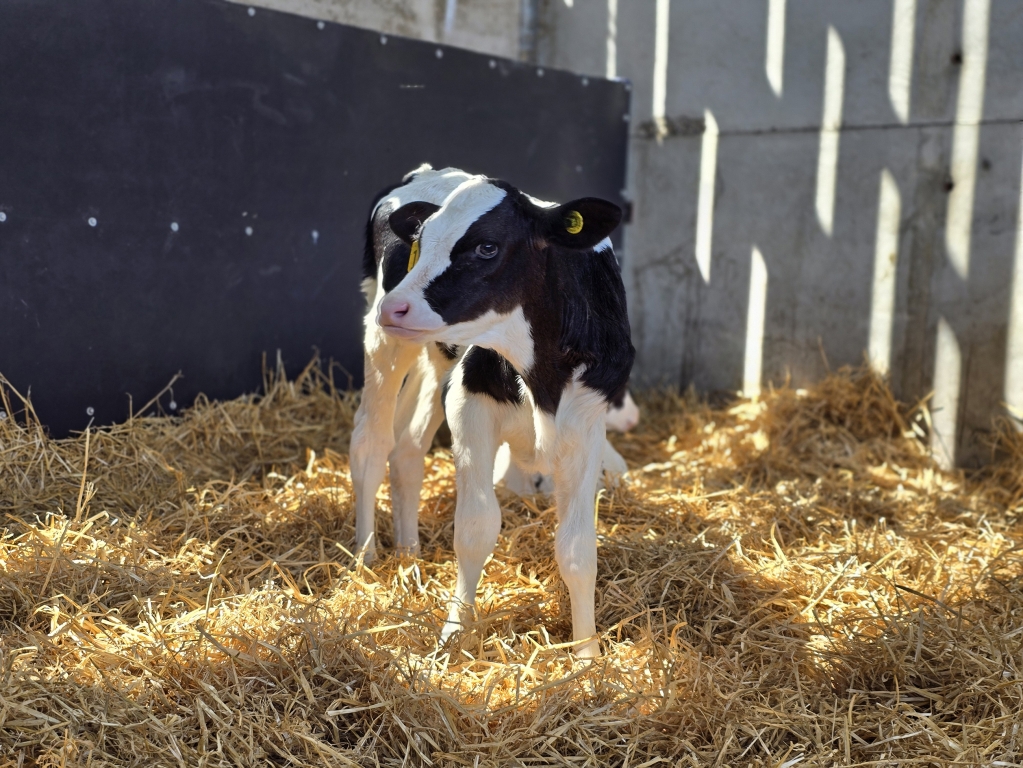
Calf cryptosporidiosis is now the most common cause of infectious scour in GB
Data Highlights Gaps In Calf Scour Control On GB Farms
 10 months ago
  785 views
New data from 35 GB cattle farms¹ shows there are still key gaps in controlling calf scour — despite improvements in colostrum management and hydration practices.
The findings come from MSD Animal Health’s Five Point Plan Cryptosporidiosis Control Questionnaire, designed to help farmers and vets pinpoint weak areas on-farm and build a ‘margin of safety’ against infectious scour.
Calf cryptosporidiosis, caused by the protozoan parasite Cryptosporidium parvum (C. parvum), is now the most common cause of infectious scour in GB². It is widespread on both dairy and suckler units and typically affects calves between five and 14 days of age.
Scour costs the UK cattle industry an estimated £11 million per year³, with gut damage reducing growth, feed efficiency, and lifetime performance, alongside the immediate welfare and mortality losses. Due to its scale and impact, the UK National Office of Animal Health (NOAH) classifies calf scour, including cryptosporidiosis, as a Category 1 disease, meaning prevention should be prioritised.
Once C. parvum is present, eradication is virtually impossible, as infected calves can shed billions of oocysts — with as few as 17 capable of causing infection⁴. Effective management is therefore critical.
Five Point Plan framework
To support farmers, MSD Animal Health developed a Five Point Plan focusing on:
- Accurate diagnosis of the cause of scour
- Colostrum management using the 5Qs – quality, quantity, quickly, squeaky clean, and quantify
- Environmental and hygiene management
- Prevention through vaccination with Bovilis Cryptium® and Bovilis® Rotavec® Corona
- Treatment and support where infection pressure remains high
Dr Kat Baxter-Smith, Veterinary Advisor at MSD Animal Health, says the questionnaire highlights both progress and areas needing improvement:
“Lower scores show where changes will have the most impact. By covering all five areas, farmers can build their margin of safety and get scour properly under control.”
Colostrum management
One of the most notable findings was that almost half of the farms weren’t testing total proteins in calf bloods to check for adequate colostrum transfer1.
“Testing total proteins is quick, inexpensive, and gives an immediate indication of whether colostrum management is working,” explains Dr Baxter-Smith. “Colostrum is the foundation of a calf’s immune system — it’s the only way newborns receive antibodies to fight disease in the crucial first weeks. If colostrum management isn’t correct, calves start life with lower protection, making them far more vulnerable to scour and other infections.”
Isolation
Another area flagged was the inconsistent isolation of sick calves. Twenty-one farms isolated scouring calves only sometimes, while six never did1.
“Isolation is one of the simplest and most effective ways to prevent disease spread but is often overlooked,” says Dr Baxter-Smith. “Once a calf shows scour, it’s already shedding billions of oocysts. Keeping that calf with healthy animals increases infection pressure.
“Ideally, sick calves should go to a clean, well-bedded isolation pen with separate feeding equipment and handled last. Even small steps — separate buckets, disinfecting boots and clothing — make a big difference. Isolation protects the rest of the group and is an important part of the margin of safety farmers can build.”
Progress
The survey also highlighted positive practices. Most farms had effective rehydration protocols, grouped animals by age, and fed colostrum in the correct quantity and timeframe1.
“Managing cryptosporidiosis is multifactorial — it’s about stacking good practices together,” says Dr Baxter-Smith. “The aim isn’t to overhaul everything, but to fine-tune what’s being done well and strengthen weaker links.”
Vaccination
Vaccination is a vital tool in scour prevention. Bovilis Cryptium®, the world’s first vaccine for cryptosporidiosis, boosts antibodies in the dam’s colostrum.
Administered to pregnant cows in the third trimester, it requires two doses 4–5 weeks apart, with the final dose completed at least three weeks before calving. For subsequent pregnancies, a single booster is needed. It can be given alongside Bovilis® Rotavec® Corona, which protects against rotavirus, coronavirus, and E. coli F5 (K99) and F41.
“By vaccinating cows in late pregnancy, antibodies against C. parvum are passed to the calf via colostrum,” explains Dr Baxter-Smith. “Calves should receive at least three litres of colostrum within six hours and continue with colostrum and transition milk for the first five days. Used alongside good colostrum management and hygiene, vaccination can help significantly improve calf health, welfare, and farm efficiency.”
Take action
Dr Baxter-Smith encourages farmers to use the Five Point Plan and work with their vets to assess farm practices.
“This questionnaire is a practical tool to identify gaps, track improvements, and ensure no area is overlooked. By combining all five elements of the plan, farmers can protect their calves, reduce losses, and improve herd productivity.”
References
- 2025 study data from 35 farms involved in vet study using MSD Five Point Plan
- National Youngstock Survey 2020 (MSD Animal Health May 2020)
- Economic impact of health and welfare issues in beef cattle and sheep in England. ADAS 2013
- The Moredun Foundation: ‘Cryptosporidiosis in cattle’ News Sheet Vol 7 no1 2019
More from MSD Animal Health
- FlockCheck Results Highlight Continued Abortion Disease Risk Ahead of Tupping
- EID, Herd Monitoring Tech and Proactive Herd Health Protocols on Show at Demonstration Farm Open Day
- Coronavirus Link Highlights Need to Strengthen Calf Respiratory Disease Protection
- MSD Animal Health launches veterinary-led roadshow across the UK to encourage tailored parasite protection
- Study from MSD Animal Health Reveals Opportunity to Increase Feline Vaccination through Knowledge Sharing Between Veterinarians and Cat Owners
