
Treat Bovine Liver Fluke With Supremadex Injection
 14 years ago
  4127 views
Posted
5th November, 2012 12h36
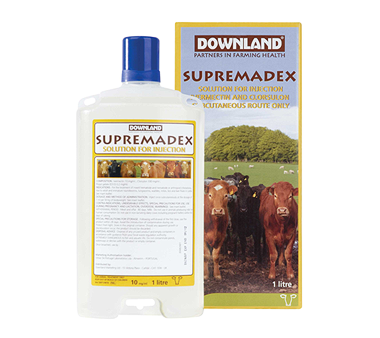 Bovine liver fluke disease is a complicated disease
BLFD is a chronic condition in cattle. The clinical signs are not easy to spot but it can be a source of significant production losses. The life cycle of the liver fluke is long and complex, taking several months compared with an average three weeks for most worms. It involves an intermediate host – the mud snail. The fluke life cycle is closely linked to the biology of the snail and to climate conditions. It thrives in mild temperatures and humidity.
Increasing risks in 2012 for Bovine liver fluke
According to experts, liver fluke is now widespread in the UK. The incidence risk is even greater this year because of the wet summer. It will only increase if wet conditions continue throughout the autumn.
What steps can be taken to control BLFD effectively?
Bovine liver fluke disease is a complicated disease
BLFD is a chronic condition in cattle. The clinical signs are not easy to spot but it can be a source of significant production losses. The life cycle of the liver fluke is long and complex, taking several months compared with an average three weeks for most worms. It involves an intermediate host – the mud snail. The fluke life cycle is closely linked to the biology of the snail and to climate conditions. It thrives in mild temperatures and humidity.
Increasing risks in 2012 for Bovine liver fluke
According to experts, liver fluke is now widespread in the UK. The incidence risk is even greater this year because of the wet summer. It will only increase if wet conditions continue throughout the autumn.
What steps can be taken to control BLFD effectively?- Know your enemy! Bovine liver fluke disease is caused by Fasciola hepatica, the main species of UK liver fluke. Adult fluke live in the bile ducts in the liver and lay eggs which are disseminated through faeces. Mud snails then act as the intermediate host for the fluke infective stage: metacercariae. Cattle ingest metacercariae by grazing infected pastures and develop disease 8-12 weeks later. If conditions have been favourable to the development of the mud snail population, the risk of infection will last throughout the Autumn with cattle potentially exposed to infection right up to housing time.
- Treating the parasite The treatment and control of the adult liver fluke aims to prevent the contamination of pasture with fluke eggs. This breaks the life cycle and prevents the disease. The effectiveness of control techniques will depend on the characteristics of the farm, for instance, the level of challenge present and other factors such as whether the herd is open or closed and if other livestock – particularly sheep – graze on the land.
- Focus on prevention Prevention is better than cure and the key to success is to eradicate or reduce the habitats in which the mud snail can thrive. Farmers should conduct an analysis of their land, looking for potential hotspots such as marshy, wet ground, pasture liable to flooding, ditches and ponds. These areas should be fenced off and ideally, drainage carried out.
More from
- Dignipets expands mobile end-of-life veterinary care into Plymouth and Exeter
- Vets Now marks 25 years with Pet Emergency Week campaign
- VDS launches VetResolve to help practices meet new complaints handling requirements
- Ronda.vet links locum shifts to CPD rewards in UK veterinary first
- Cancellations have been damaging locum work for years but no-one was keeping count - now Ronda is
