
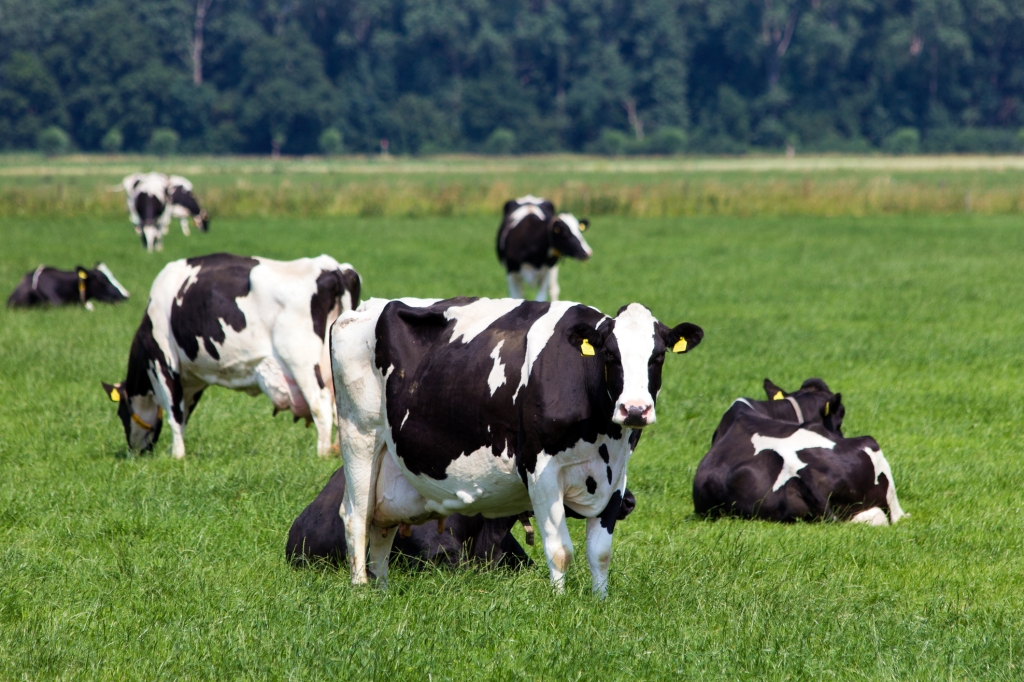
Mastitis remains one of the most economically damaging conditions in UK dairy herds
CVS Farm Vets Report Major Progress In Second Year Of Its Cow Mastitis Quality Improvement Project
 5 months ago
  518 views
CVS Farm Vets has announced strong results from the second year of its cow mastitis quality improvement project, revealing significant gains in diagnostic‑led decision making, improved treatment accuracy and more responsible antimicrobial use across its dairy practices.
Mastitis remains one of the most economically damaging conditions in UK dairy herds, affecting milk yield, milk quality and udder health. It is considered the most common disease leading to economic loss in the dairy industry due to reduced yield and poor quality of milk[1].
Traditionally, the slow turnaround of laboratory milk culture led many farms to treat most mild to moderate cases with antibiotics as standard practice - despite evidence that less than half actually benefit from antimicrobial therapy[2]. This pattern has contributed to unnecessary antibiotic use and increased selection pressure for antimicrobial resistance.
Launched in July 2023, the CVS Farm mastitis project set out to address these challenges through the adoption of rapid, in‑practice diagnostics and a structured quality improvement framework, enabling evidence‑based treatment decisions at farm level.
Across all 15 CVS Farm practices, the group invested in Mastatest technology, allowing milk culture and sensitivity testing to be carried out onsite, with results available within just 20–24 hours. The process is streamlined: farmers collect milk samples from clinical mastitis cases or high cell count cows, practice teams run them on the Mastatest platform, and results are emailed automatically to both farmer and vet. Pre‑agreed protocols ensure immediate, informed action.
Since the programme began, practices have now processed over 1,100 clinical samples and nearly 200 high cell count samples, with diagnostic activity increasing by 15% in 2025 alone.
Year‑two results show:
- Over one in three clinical mastitis cases did not require antibiotic treatment.
- 34% of samples identified no growth or E. coli, both of which resolve with supportive care, when clinical signs are mild.
- 16% of cases were caused by Streptococcus uberis, where targeted antibiotic therapy is appropriate.
- Sensitivity testing supported a shift from broad‑spectrum category C antibiotics to narrow‑spectrum category D penicillins, a major step forward in responsible prescribing.
Farmers were encouraged to use NSAIDs while awaiting diagnostic results from cows showing mild signs of mastitis, providing immediate welfare benefits without unnecessary antibiotic exposure.
According to Dr. Simon Mitchell, Senior Vet at Coast to Coast Farm Vets and project lead, the project is transforming farm‑level mastitis management: “These results show just how powerful rapid diagnostics can be in dairy practice. For the first time, we can make confident, evidence‑based treatment decisions within 24 hours. This means cows receive the most appropriate care, unnecessary antibiotic use is avoided and when antibiotics are needed, they’re the right ones. Year two has demonstrated that quality improvement, combined with practical technology and strong teamwork, can deliver real, measurable change for farmers.”
A key finding from year two is the importance of coordinated effort across veterinary surgeons, vet techs and administrative teams. Their combined roles in sample collection, machine operation, reporting and communication have built consistency, improved efficiency and strengthened farmer engagement.
Simon continues: “CVS Farm will continue expanding the programme, sharing insights across our practices and with the wider industry, with the goal of supporting sustainable mastitis management and further reducing unnecessary antimicrobial use in the years ahead.”
CVS Farm veterinary division has over 120 vets in 15 modern farm and poultry specific practices nationwide. Its practices offer a comprehensive range of services, with a focus on helping its clients prevent disease and maximise efficiency of production on their farms. CVS Farm’s collective knowledge, clinical skills and buying power enables it to assist its clients with the most cost-effective solutions to all their animal medicine requirements.
[1] Bovine mastitis: risk factors, therapeutic strategies, and alternative treatments — A review - PMC (nih.gov)
[2] An Investigation of the Impact of Intramammary Antibiotic Dry Cow Therapy on Clinical Coliform Mastitis - ScienceDirect
More from CVS UK Ltd
- Regional CPR training project strengthens emergency preparedness across 30 veterinary practices
- Hillsborough Veterinary Referrals delivers life-saving transatrial stenting through multi-specialist collaboration
- CVS Equine launches new quality improvement project to advance equine asthma care
- Infection control project shows audit and team culture drive lasting change across 60 veterinary practices
- Collaborative project reduces antibiotic use across nine practices

 2 weeks ago